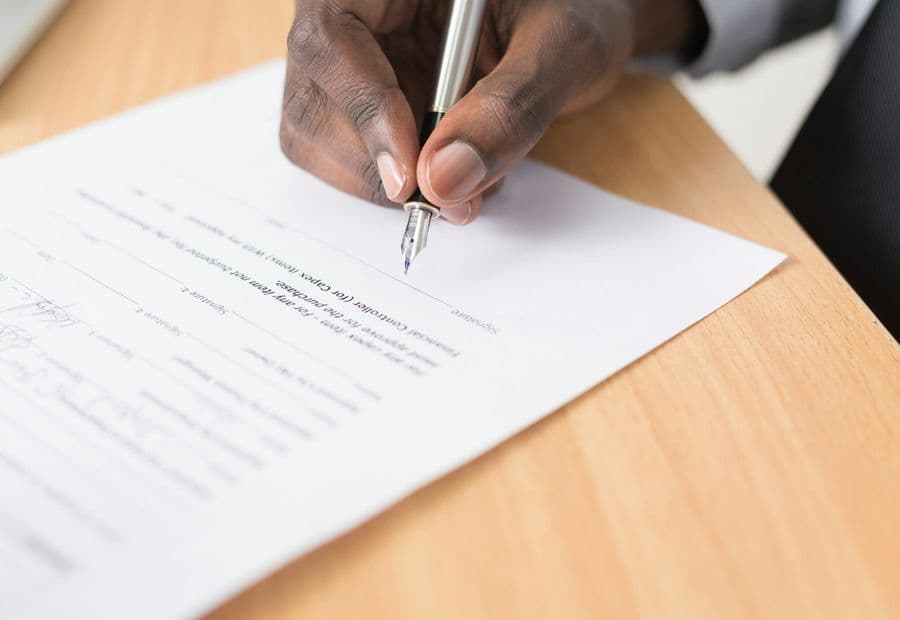
A mediation is a single day — sometimes less — into which the parties compress what litigation would spread across years. The compression is the point: it is what makes the process cheap and fast. But it also means the day rewards preparation out of all proportion. The party who arrives prepared negotiates from strength all afternoon; the party who arrives merely hopeful spends the morning discovering their own case.
Settle the question of authority first
Nothing wastes a mediation day more completely than the discovery, at four o’clock, that the person in the room cannot agree the figure on the table. Before the day, establish precisely who will attend for your side and what authority they carry — and press the same question on the other side through the mediator. Where a board, an insurer or an absent decision-maker must ratify any agreement, arrange for them to be reachable into the evening.
Write the position statement for the opponent
Most mediations are preceded by an exchange of short position statements. The common error is to write it for the mediator, or worse, for your own client — a triumphant recital of your pleaded case. Its real audience is the other party, who will read it the night before deciding how to deal with you. State your case firmly, certainly; but signal seriousness about settlement, identify the issues you consider genuinely open, and leave the door visibly ajar. A position statement can harden a dispute or soften it, and it should be drafted knowing which you intend.
Know your alternatives, numerically
The discipline the negotiation literature calls knowing your best alternative to a negotiated agreement is, in litigation, an exercise in arithmetic. What are your realistic prospects at trial, expressed as a percentage and not as bravado? What will it cost in fees to get there — and what portion of those fees is irrecoverable even in victory? What is the opponent’s capacity to pay a judgment? What is the value, in money terms, of two further years of management time and uncertainty? A party who has done this arithmetic recognises a good offer when it appears. A party who has not will refuse a sound settlement at three o’clock and regret it for two years.
Prepare the documents, not the bundle
The mediator does not need four lever-arch files. They need the pleadings, the position statements, and the handful of documents on which the dispute actually turns — the contract clause, the disputed invoice, the critical letter. Prepare a short core bundle, agreed with the other side where possible, and bring the key documents in a form you can put on the table at the decisive moment.
On the day: patience is a strategy
Finally, prepare your own expectations. Mediations follow a rhythm: guarded mornings, discouraging middles, and afternoons in which the real movement happens — often in the final hour. The party who understands this does not despair at two o’clock, and does not bid against themselves to fill a silence. Trust the process, keep your arithmetic beside you, and let the day do its work.
Settlement, like most things in the law, is a craft. It favours the prepared.